Children's Vision Care · Surrey, BC
Help your child see clearly
as they grow.
Comprehensive vision care solutions for children and teens at Look Optometry. We offer advanced, personalized options to support healthy vision development — with no referral needed and same-week appointments available.
Book a Vision Assessment → View Options
Children & Teens Welcome
Newton & Guildford Locations
Advanced Diagnostic Technology
No Referral Needed
Understanding Myopia
More than just
needing glasses
Early care makes a lasting difference.
Children's vision can change rapidly during their school years. The earlier we assess and monitor your child's vision development, the more we can do to support healthy eyes over the long term. Our team uses precise diagnostic tools to track changes and personalize a care plan for each child.
Myopia (nearsightedness) occurs when the eye grows too long, causing light to focus in front of the retina rather than on it. In children, this can progress through the teenage years. The earlier an assessment begins, the more options are available to support stable, comfortable vision.
Global myopia trends
50%
of the world projected to be myopic by 2050
In Canada, myopia rates have doubled in a generation — and screen time and reduced outdoor time are key contributing factors among children and teens.
Why act early
What the research
shows us
77%
reduction in myopia progression possible with overnight correction lenses in some patients
59%
slower progression with MiSight contact lenses vs standard lenses in clinical trials
60%
slower progression with MiYOSMART spectacle lenses vs standard single vision lenses
6 yrs
old — the age when a myopia assessment is recommended if changes in vision are noticed
Vision Care Options
Proven approaches.
Personalized to your child.
Every child's vision is different. Your optometrist will recommend the best option — or combination — based on age, prescription, lifestyle, and rate of change.
Most Effective
Overnight Correction Lenses (Ortho-K)
Custom-designed lenses worn overnight that gently reshape the cornea while your child sleeps. They wake up with clear vision all day — no glasses, no daytime contacts — while the lens design actively supports stable vision development.
- Clear daytime vision without glasses or contacts
- Shown to reduce progression by up to 77% in studies
- Ideal for active kids and teens in sports
- Reversible — cornea returns to original shape if discontinued
- Custom fitted using Medmont corneal topography
Best for: Ages 8+ · Active lifestyles · Motivated families
FDA & Health Canada Approved
MiSight 1-Day Contact Lenses
The world's first contact lens specifically approved to slow myopia progression in children. Worn during the day like regular contacts, with a unique dual-focus optical design that delivers clear vision while supporting stable eye development.
- Proven to slow progression by ~59% in clinical trials
- Daily disposable — hygienic and convenient
- Approved for children as young as 8
- Easy to fit, easy to wear, great for first-time lens wearers
- 3-year clinical data showing sustained efficacy
Best for: Ages 8–15 · First-time contact lens wearers · Daily convenience
Spectacle Lens Option
MiYOSMART Lenses
An innovative spectacle lens using D.I.M.S. technology — hundreds of tiny treatment zones built into the lens that correct vision while supporting stable eye development. Looks and works like a regular pair of glasses.
- Shown to reduce progression by ~60% vs standard lenses
- No lifestyle changes required
- Ideal for younger children not ready for contacts
- Available in single vision and progressive designs
Best for: Younger children · Glasses wearers · Contact-resistant patients
Clinical Option
Low-Dose Atropine Eye Drops
Low-dose atropine drops applied nightly have been shown in multiple large clinical trials to significantly support stable vision in children. A simple nightly routine, often combined with optical options for the best results.
- Supported by multiple large clinical studies
- Simple nightly routine — one drop per eye
- Low-dose formulation minimizes side effects
- Often combined with optical options for maximum effect
- Suitable for children who aren't candidates for contact lenses
Best for: All ages · Combination care · Contact-intolerant patients
Multifocal Option
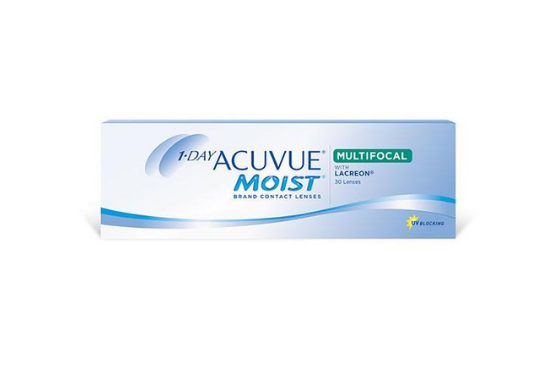
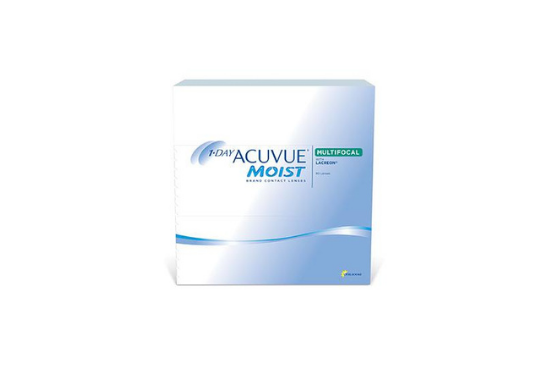
Multifocal Soft Contact Lenses
Centre-distance multifocal soft contact lenses support stable vision development while providing clear, comfortable daytime wear. A flexible option for children and teens who prefer a soft lens.
- Worn during the day — no overnight commitment
- Available in monthly or daily disposable formats
- Soft lens comfort — easy adaptation for new wearers
- Good alternative when overnight lenses are not suitable
Best for: Teens · Patients who prefer soft lenses · Mild to moderate myopia
Foundational Care
Lifestyle & Environmental Guidance
Research shows that 2 hours of outdoor time daily significantly supports healthy vision development in children. Proper reading distance, screen habits, and lighting also play measurable roles in vision health.
- Outdoor time: proven to support healthy vision development
- 20-20-20 rule for screen time management
- Correct reading distance guidance
- Lighting and ergonomic recommendations
Best for: All patients · Prevention · Supporting other care options
Advanced Diagnostics
Measuring what matters.
Precisely.
Effective vision care depends on precise, repeatable measurements. We use the same diagnostic technology found in hospital-based practices — not just a standard refraction.
Axial Length Measurement
A-Scan Biometry
A-scan biometry precisely measures axial length — the physical length of the eye from front to back. Tracking axial length over time tells us exactly how the eye is developing and whether a care plan is working effectively.
- Measures axial length to within 0.01mm precision
- Tracks whether eye development has responded to care
- More accurate than relying on prescription changes alone
- Non-invasive, quick, and well-tolerated by children
- Performed at every myopia management review visit
Corneal Mapping
Medmont Corneal Topography
The Medmont topographer creates a detailed 3D map of the corneal surface — essential for fitting overnight correction lenses with precision. It captures the exact curvature and shape of the cornea to design custom lenses that achieve optimal visual results.
- High-resolution corneal surface mapping
- Essential for precise overnight lens design and fitting
- Detects corneal irregularities that affect lens selection
- Tracks corneal shape changes during lens wear
- Used to monitor reshaping effect after each adjustment
Complete Baseline Assessment
Comprehensive Eye Exam
Every patient receives a thorough baseline examination including cycloplegic refraction for the most accurate prescription measurement, binocular vision assessment, ocular health evaluation, and family history review — all factors that influence care planning.
- Cycloplegic refraction for accurate baseline prescription
- Binocular vision and eye coordination assessment
- Retinal health and optic nerve evaluation
- Family history risk assessment
- Personalized care recommendation based on all findings
Getting Started
What to expect
at your first visit
01
Full Vision Assessment
Comprehensive eye exam including cycloplegic refraction, axial length measurement with A-scan, Medmont corneal topography, and binocular vision testing.
02
Vision Profile Review
Your doctor reviews progression history, family history, age of onset, and lifestyle factors to understand how your child's vision has been changing.
03
Personalized Care Plan
A personalized protocol is designed — whether overnight lenses, MiSight, MiYOSMART, low-dose drops, or a combination — matched to your child's specific profile and lifestyle.
04
Fitting & Training
Lenses are custom ordered and fitted. Your child and family receive full training on insertion, removal, care, and what to expect during adaptation.
05
Ongoing Monitoring
Regular follow-up visits every 6–12 months track axial length changes, confirm whether care is working as expected, and adjust the plan if needed as your child grows.
Who Should Come In
Signs your child may benefit
from a vision assessment
You don't need a referral. If your child shows any of the following signs, book a vision assessment:
Squinting to see the board at school
A common early sign — they can see up close but distant objects are blurry.
Prescription changing each year
Rapid prescription changes indicate active vision changes — earlier assessment means more options.
One or both parents are myopic
Family history is a strong factor in vision development. A baseline assessment is recommended early.
Lots of near work or screen time
Prolonged near work and limited outdoor time are established environmental factors in vision development.
Myopia diagnosed before age 10
Early onset myopia benefits most from early assessment and a proactive care plan.
Complaining of headaches or eye fatigue
Unmanaged vision changes can cause eye fatigue and headaches — especially after school or screen time.
Common Questions
What parents
ask us most
At what age should a myopia assessment start?
As soon as myopia is detected — ideally between ages 6 and 12, when the eye is growing most rapidly. There is no minimum age requirement. Children as young as 6 can be assessed and fitted with appropriate options.
Can myopia be reversed?
Once the eye has elongated, the myopia itself cannot be reversed without surgical intervention. However, we can significantly slow or halt further progression. The goal is to keep the prescription as stable as possible over time.
Are overnight correction lenses safe for children?
Yes — these lenses have a strong safety record over 30+ years of clinical use. As with all contact lenses, proper hygiene and follow-up care are essential. Your doctor will assess suitability at the initial consultation.
How do I know if care is actually working?
This is exactly why we use A-scan biometry. By measuring axial length at every visit, we can objectively track whether the eye's development has responded to care — regardless of how the prescription appears on a chart.
Can options be combined?
Absolutely — and often combination care achieves better results. Your doctor will recommend the optimal approach for your child's specific rate of vision change and lifestyle.
What happens when my child stops?
For overnight lenses, the cornea gradually returns to its original shape within days of stopping lens wear. We typically recommend continuing care through the teenage years until vision naturally stabilizes, usually in the mid-to-late 20s.
Is myopia management covered by insurance?
The initial assessment is covered under standard eye exam benefits. Specialty lens fittings and ongoing management fees vary by plan. Our team can provide documentation for reimbursement claims.
Give your child the best start
for their vision.
Book a comprehensive children's vision assessment at Look Optometry — no referral needed, same-week appointments available.
Book a Vision Assessment →
Newton · Guildford · Surrey, BC